Gutter Style Questions to Ask in Minneola Before Replacing an Older System
Replacing old gutters sounds simple until you start looking at profiles, sizes, downspouts, leaf protection, and the way Florida rain tests every weak spot on a house. In Minneola, that matters. Central and North Florida homeowners deal with heavy summer rain, tropical-storm season, humidity, and the kind of fast runoff that exposes bad drainage design in a hurry. A gutter system that seemed fine during a dry stretch can fail the first afternoon storm if it is clogged, undersized, poorly pitched, or sending water to the wrong place.
That is why the smartest approach is not to start with color samples. Start with questions.

Older systems often get replaced because they sag, leak, overflow, or pull away from the fascia. But sometimes the real problem is not age alone. It is that the original style was never a great match for the roof area, the tree debris, or the way water needs to move off the property. If you ask the right questions before signing a proposal, you have a much better chance of getting a system that performs well through Florida’s wet months instead of just looking new for a season.
Start with the problem, not the product
A lot of homeowners jump straight to asking for seamless gutters or a certain shape because they heard it works well for a neighbor. That can be useful, but it is still backward. Before talking style, ask what is actually failing now.
If your current gutters overflow at corners, the answer might involve size. If they drip at seams, a different construction method could help. If they clog every few weeks with pine needles or oak leaves, the profile alone may not solve anything unless you also deal with protection and cleaning access. If the gutter itself looks decent but water still pools near the house, the more important conversation may be about downspout drainage.
This is especially relevant in Florida. Extension guidance for the state repeatedly stresses keeping gutters and storm drains clear of needles, leaves, and other debris, especially during storm preparation. That advice is practical, not theoretical. Once debris builds up, intense rain can push water over the front edge of the gutter or out at joints, and everything below pays the price.
The first style question: which profile actually fits this house?
Many older homes have a system that was chosen because it was common at the time, not because someone really matched it to the roofline and rainfall. So the first question to put on the table is simple: Which gutter profile makes sense for this roof and why?
You will hear a lot about K-style gutters, and for good reason. They are common, familiar, and easy to spot. If you are comparing K-style gutters Lady Lake FL providers recommend with what contractors suggest in Minneola, the more useful part of that conversation is not the name itself. It is the explanation behind it. Ask the contractor to show you why that profile suits your house, how it handles runoff, and whether there is any drawback for your specific roof edge or fascia condition.
The best answer is not “because that’s what we always install.” The best answer ties the style choice to what your current system is doing wrong.
If a contractor cannot explain why one profile is better than another for your home, that is a sign to slow down. Style is not decoration alone. It affects capacity, cleanout behavior, attachment details, and how noticeable the system will be from the street.
Ask whether size matters more than style
This is where many replacements go off track. Homeowners spend time choosing a profile and almost no time discussing capacity. In Florida, that can be a costly oversight because https://gutterjournal307.oakridgedigest.com/posts/what-to-expect-during-a-gutter-installation-project-in-the-tavares-area-from-first-visit-to-final-cleanup storms can dump water fast enough to overwhelm a system that looks fine on paper.
A better question is: Are we solving an overflow problem with a different style, or do we need different gutter sizes for Florida homes like mine?
That wording matters. It pushes the contractor to think beyond appearance. Florida code materials make clear that gutters and downspouts must be sized and discharged in accordance with the code, so sizing is not a cosmetic detail. It is foundational. You do not need to know the calculations yourself to ask for the reasoning. A competent contractor should be able to explain whether the existing size was adequate, borderline, or clearly too small for the way your roof sheds water.
If your old gutters only overflow during the worst storms, that does not automatically mean the size is wrong. Clogs, poor pitch, and bad downspout placement can create the same symptom. But if the contractor never discusses size at all, that is a gap.
Material questions should stay practical
Most homeowners replacing an older system in this part of the state end up discussing aluminum gutters Central Florida contractors install every day. The reason those conversations come up so often is straightforward: homeowners want something that handles weather well without becoming a maintenance headache.
When you ask about material, keep the conversation grounded in real performance. Florida building guidance says gutters and leaders on exterior buildings should be made of metal or approved plastic and secured with corrosion-resistant fasteners. That tells you what to focus on. Ask what material is being proposed, what fasteners will be used, and how the system will be attached. On an older house, attachment details matter because the fascia may have weak spots, repairs, or sections that have been repeatedly wet.
A solid answer should cover both the gutter body and the hardware. Homeowners often focus on the trough and forget the fasteners, hangers, and connections that actually keep the system in place when weather turns rough.
Seamless is worth discussing, but not as a magic word
The phrase seamless gutters Ocala FL gets tossed around so often that some homeowners treat “seamless” like a guarantee of quality. It is not. It can be a smart choice, especially if your old system has leaking joints along long runs, but it is still just one part of the design.
Ask what seamless changes on your house and what it does not.
A good installer should explain that reducing seams can help reduce certain leak points, but corners, outlets, downspout connections, and termination points still matter. So does pitch. So does support spacing. So does discharge location. If the sales conversation leans entirely on the seamless label and skips the rest, you are not getting the full picture.
For older homes, I would also ask whether the existing fascia line is straight enough for a clean installation or whether carpentry repairs should come first. New gutters installed over compromised edges tend to inherit old problems.
Downspouts decide whether the upgrade actually works
A lot of gutter replacements are judged by how the front edge looks from the driveway. That is understandable, but water leaves through the downspouts. If they are poorly placed, too few, or emptying where runoff creates trouble, the prettier gutter does not solve much.
This is where homeowners should slow down and ask: Where will the water go after it reaches the downspout? That one question can tell you whether a contractor is thinking like a water manager or just a metal installer.
Downspout drainage Newberry FL discussions often come up when homeowners realize that the gutter itself is only half the system. That mindset applies in Minneola too. You want to know whether the proposed layout changes the number of downspouts, whether the locations improve flow, and whether discharge points will keep water from dumping right where you do not want it.
Florida maintenance guidance also emphasizes keeping organic buildup out of gutters and downspouts, especially in summer. That is worth remembering because a design that is hard to clear or easy to choke with debris tends to fail right when the wet season ramps up.
If your lot has trees, ask hard questions about guards
Gutter guards can help, but they are one of the easiest products to oversell. In an area where pine needles and oak leaves are common, ask very directly how any guard system handles those specific debris types, not just “leaves” in general.
That matters because Florida yard debris is not one-size-fits-all. Extension guidance specifically mentions needles, leaves, and organic material that can clog gutters and storm drains. It also notes that leaves and pine needles can be managed on site as mulch rather than allowed to wash away. For your gutter discussion, the practical takeaway is simple: the type of debris around your house should shape the kind of protection you consider.
If you are hearing pitches for gutter guards for pine needles Florida homes deal with every year, ask the contractor what maintenance is still required. Every honest answer should include some version of “yes, you still need inspection and cleaning.” Guards may reduce buildup, but they do not make a system maintenance-free. Pine needles have a way of finding weaknesses in broad promises.
Five style questions worth asking before you sign
- Which gutter profile are you recommending for this house, and what problem does that style solve better than my current one?
- Are you changing the size, or just the shape, and how does that affect heavy Florida rainfall?
- Will the new system have fewer seams, and if so, where are the remaining leak-prone connection points?
- How will this style handle the debris my roof gets most often, especially pine needles, oak leaves, and acorns?
- Are the downspouts and discharge points being redesigned too, or are we only replacing the gutter troughs?
Those five questions usually shift the conversation from sales language to actual design decisions. That is where you want it.
Old gutters often hide old water habits
One thing homeowners discover during gutter replacement is that the old system may have trained them to live with avoidable problems. Maybe one corner always spills in hard rain. Maybe one downspout always clogs first. Maybe a section near a valley gets cleaned more often than the rest. Those patterns are useful clues.
Bring them up during the estimate.
A contractor who listens will often learn more from your lived experience than from a quick walk around the house. If one side of the roof catches leaf litter from live oaks, say that. If needles collect at one end from nearby pines, mention it. If the back gutter is hidden and easy to forget until overflow becomes obvious, that matters too.
UF/IFAS has highlighted the importance of keeping leaf litter and yard debris out of gutters and storm drains, both for function and because runoff can carry organic material into waterways. So when you describe where debris tends to build up, you are not nitpicking. You are identifying likely failure points.
Maintenance should be part of the style conversation
Homeowners sometimes ask for the least maintenance option as if it exists in a pure form. It does not. Every gutter system in Florida needs some level of attention, especially before and during storm season.
A more useful question is: What kind of maintenance will this specific design make easier or harder?
That can mean several things. Is the gutter opening easy to inspect from a ladder? If guards are installed, how do you verify they are not holding a layer of compacted debris? If a clog forms in a downspout, can it be accessed without taking half the system apart? If one section sits beneath overhanging trees, does the proposed style reduce cleanup frequency or just hide buildup longer?
Homeowners who already pay for gutter cleaning Fruitland Park FL style seasonal maintenance visits, or who have looked into gutter repair Wildwood FL services after repeated overflow issues, usually understand this quickly. The replacement should not just look cleaner on day one. It should make the next five years more manageable.
Ask what “storm ready” really means
The phrase storm ready gutters Florida homeowners hear in marketing can mean almost anything unless someone defines it. In practice, it should prompt a detailed conversation about fastening, sizing, drainage, and maintenance before major weather arrives.
Do not settle for vague reassurance. Ask what makes the proposed system better prepared for storm season than the one you have now. If the answer is thoughtful, it should connect the dots between debris management, secure attachment, code-based sizing, and where runoff ends up.
That point about secure attachment is important enough to repeat. Florida building guidance says exterior gutters and leaders should be securely fastened with corrosion-resistant fasteners. On older systems, loose or rusted attachment points are often part of the failure pattern. A replacement is the right time to ask exactly how the new system will be supported and what hardware will be used.
A contractor’s answers matter as much as the gutter itself
When homeowners search gutter replacement Gainesville FL or start asking around about hiring a gutter contractor Florida neighbors trust, they often compare price first. Price matters, but for an older system, the quality of the questions and answers matters just as much.
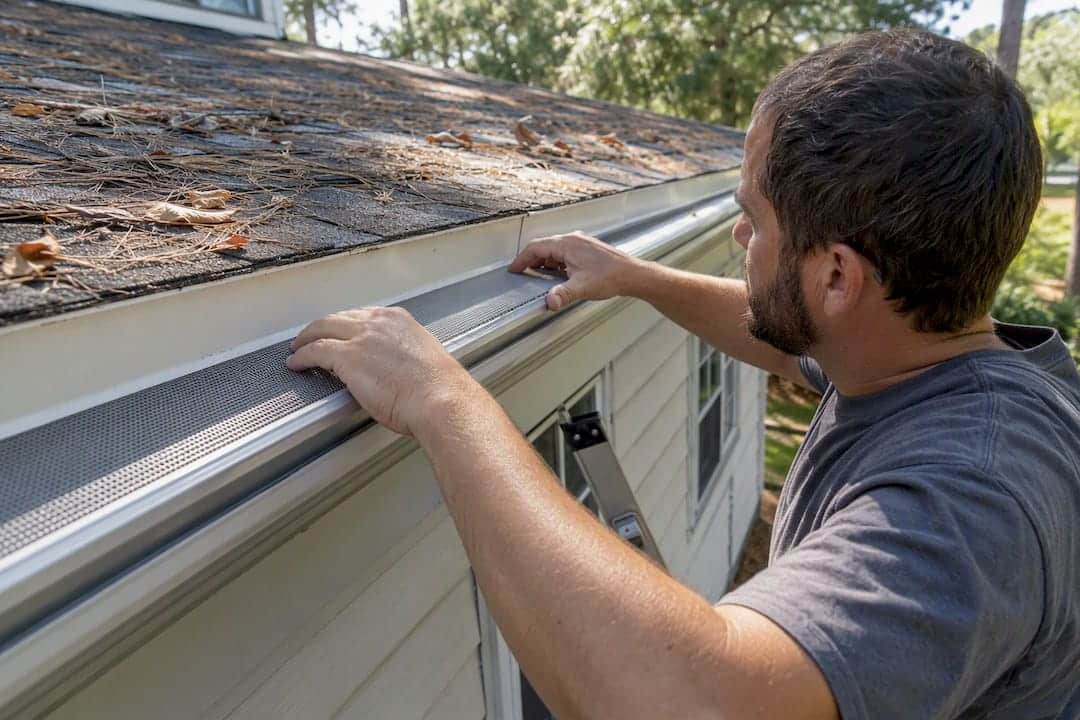
Listen carefully to whether the contractor is diagnosing or just quoting.
Someone who is diagnosing will ask about overflow locations, debris type, cleaning history, and where water goes after discharge. They will pay attention to roof sections that collect the most runoff. They will look at corners and outlets, not just long straight runs. They will talk about the house you have, not a standard package.
Someone who is just quoting tends to skip those details and move straight to a familiar profile, a footage number, and a color chart.
Five contractor questions that reveal a lot
- How are you determining the right gutter and downspout sizing for this house?
- What type of fasteners and attachment method will you use, and why are they appropriate here?
- If my current problem is clogging, what part of your proposal addresses debris, not just age?
- What maintenance will I still need to do after installation, especially before storm season?
- If you see fascia or edge issues during removal, how will that be handled and communicated?
These are not trick questions. They are practical filters. Good contractors tend to answer them calmly and clearly because they deal with these issues every week.
Local keywords can distract from local conditions
It is normal to compare notes across nearby towns. You might read about seamless gutters Ocala FL companies promote, hear recommendations for gutter replacement Gainesville FL crews, or get referred to someone known for gutter repair Wildwood FL jobs. That local search activity is useful, but do not let place-name keywords substitute for house-specific judgment.
Minneola homes vary. So do roof shapes, tree cover, fascia condition, and drainage patterns. The right replacement system for one house might be wrong for another just down the road. Use nearby examples as conversation starters, not proof.
The same goes for branded add-ons and broad claims about maintenance-free performance. In Florida’s climate, debris management remains part of ownership. Summer growth, seasonal drop, and storm preparation all keep that true.
Before replacing, look at what cleaning has been telling you
If you have lived with the old system for a while, your cleaning pattern contains useful information. Maybe the same section fills first every time. Maybe one downspout runs slowly after even moderate debris fall. Maybe a hidden rear line gets neglected because it is inconvenient to reach. These are not random annoyances. They are design clues.
Florida maintenance guidance for stormwater infrastructure specifically notes that gutters and downspouts should be cleaned as needed and that organic buildup is especially important to remove in summer. That seasonal rhythm can help you frame the conversation with your installer. If a contractor proposes a system that still leaves your worst trouble spot basically unchanged, ask why.
Sometimes the best outcome is not a dramatic style change at all. It might be a smarter size, a better downspout layout, fewer seams, improved fastening, and a realistic maintenance plan. Other times, a profile change really does help. The key is that the decision should flow from the problems your old system has shown you, not from generic sales language.
What a good replacement decision usually feels like
When homeowners make the right call on an older gutter system, there is usually a noticeable shift in the conversation. They stop asking which option is most popular and start asking which option best manages water on their house. That is the right frame for Minneola.
You do not need to become a code expert or a drainage engineer before replacing gutters. You just need to ask better questions than “How much per foot?” and “What colors do you have?” Ask why this style, why this size, why this attachment method, why these downspout locations, and how the system will deal with the debris your property actually gets.
That kind of clarity is what separates a simple swap from a meaningful upgrade. On an older home, that difference shows up the first time a hard Florida rain moves across the roof and the water goes where it should.